

About
My journey to where I am now has been anything but linear and predictable.
As a kid I was dead set on being a professional tennis player, and I almost got there.
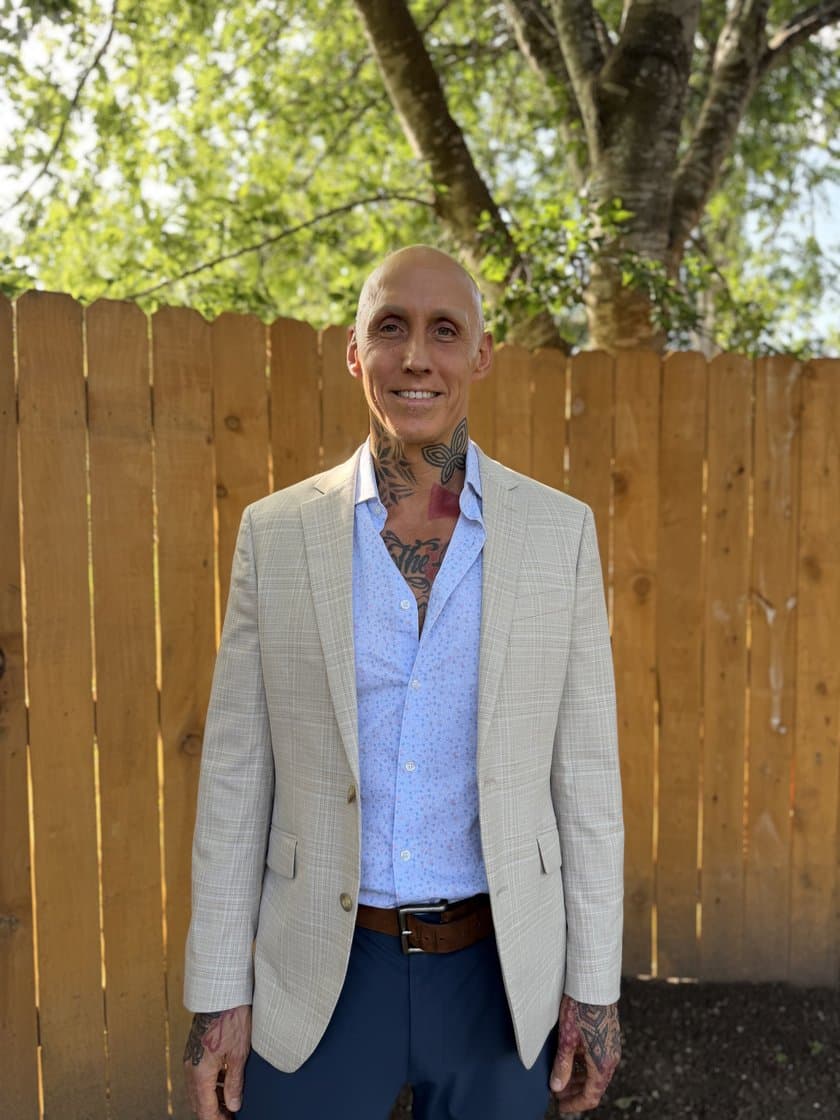
I played at a high level through college. When that chapter ended, so did the only identity I had ever known. I spent the next fifteen years trying to fill the void that tennis left.
It looked like climbing in the banking world, then excelling as a commercial real estate broker in Miami and North Carolina. Underneath all that it also looked like a steady, then rapid, slide into heavy drinking and substance use, and all the ancillary damage that came with that behavior.
I held it together for the first five years. Then for the next five I was barely hanging on to my career and relationships. Then, for the last five, from ages thirty-three to thirty-eight, I went to rehab six times, survived oral cancer twice, and lived through a suicide attempt in 2009.
My life looked impeccable on the outside.
All the while, I was looking away from what was slowly burning it all down from the inside.
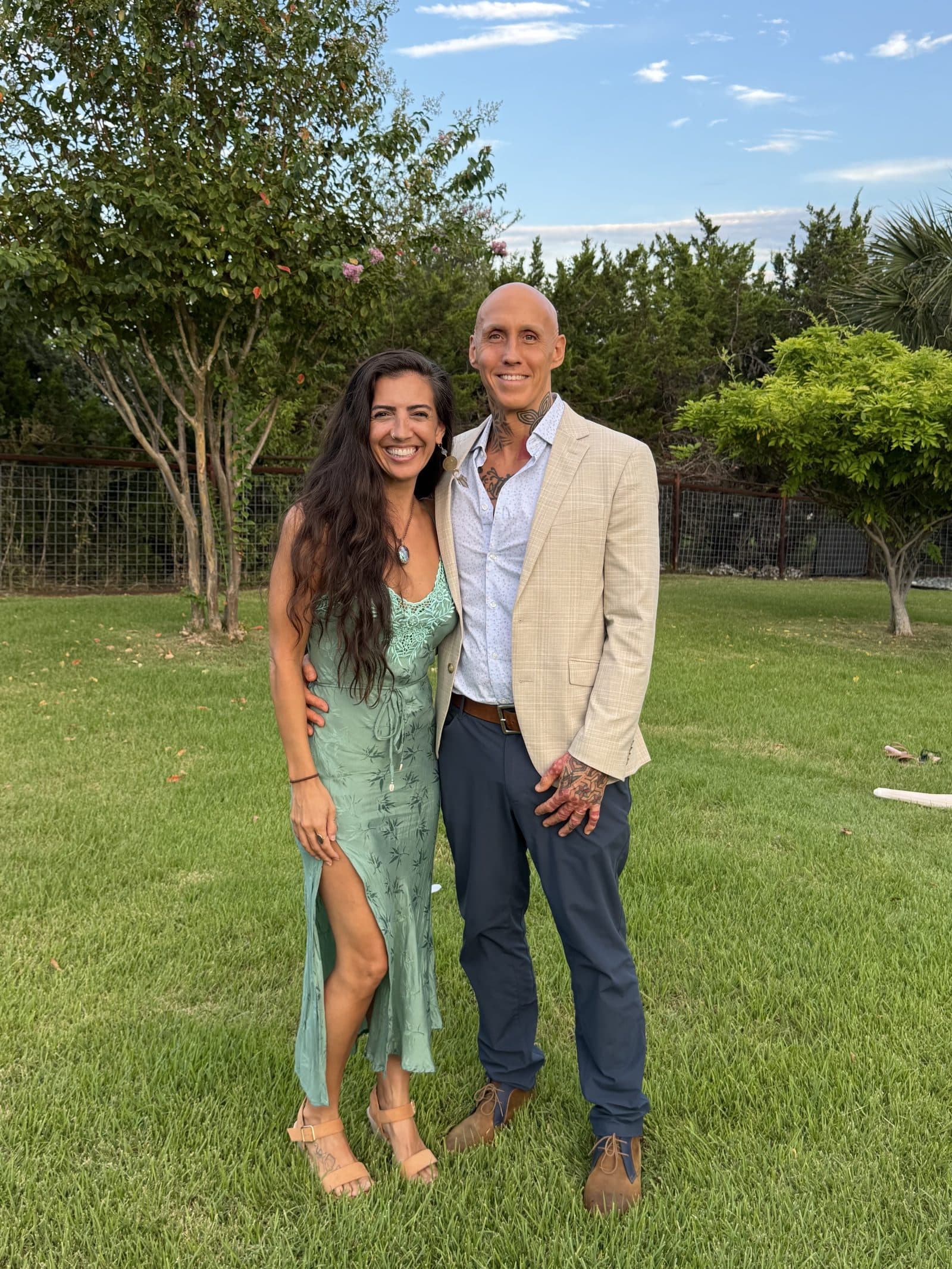
The Threshold Moment
The moment I stopped was November 21, 2012.
It was four in the morning. I was sitting alone at my kitchen table, staring at a pile of cocaine and a bottle of rum. I was shaking, and I was scared. The previous fifteen years all caught up with me in that moment. All I knew was that I could not continue down the path I was on.
The complete collapse and surrender in that moment turned out to be the catalyst for everything that came after, including the life and career I live now.
I have not had a drink since, and, honestly, I have never even wanted one.
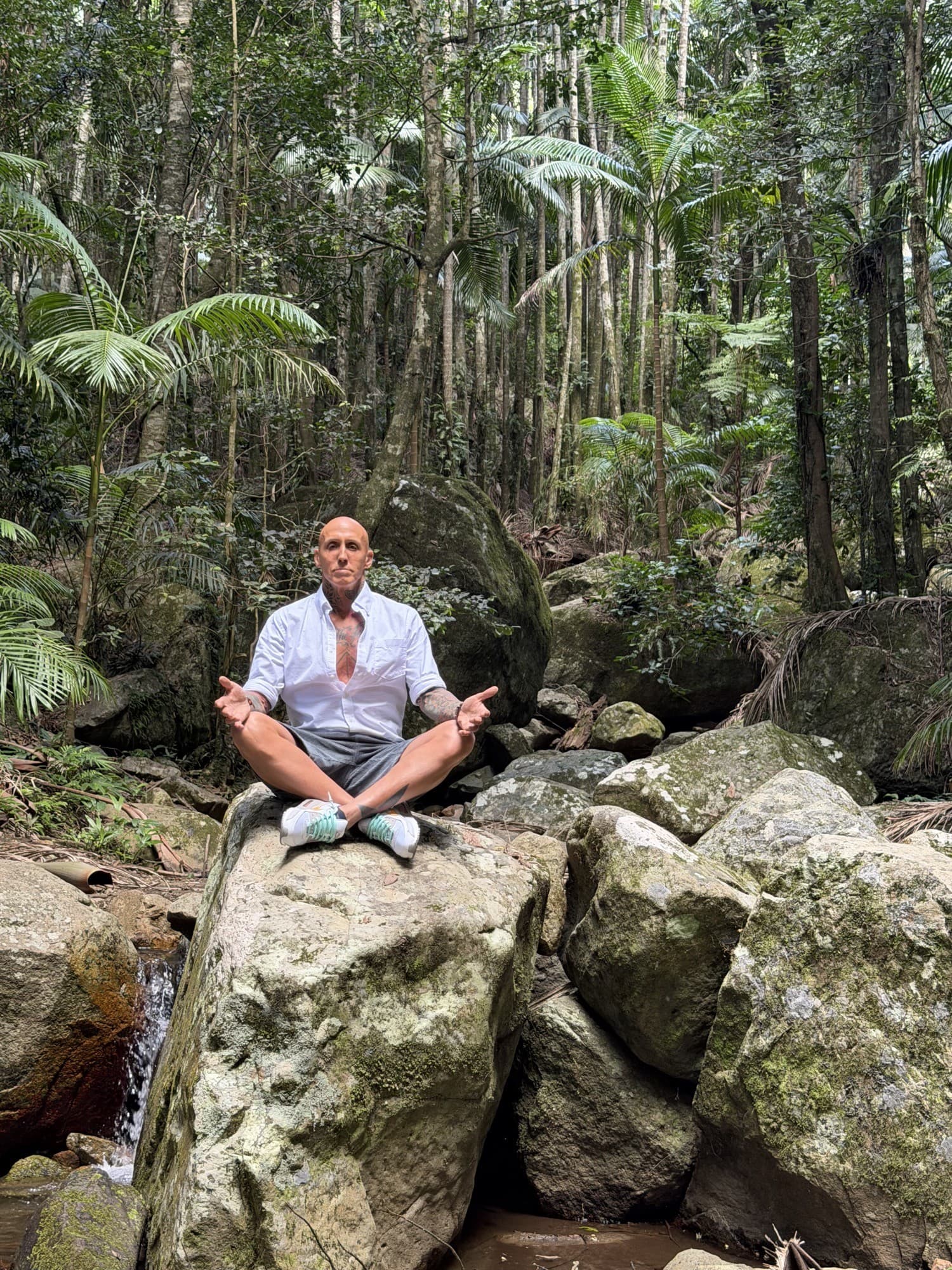
The Reconstruction
The first reconstruction I ever led was my own. In the six years that followed that moment in 2012, I did a lot of really deep inner work. I looked at what, about me and my life, had brought me to that moment. I turned to men’s work, expanded my emotional intelligence, and worked on how I was showing up in my relationships.
By 2019 the work had gone as far as thinking and talking alone could take it. What had moved in my mind had not yet moved through my body. So I went deeper, into somatic and nervous-system work, breathwork, and carefully guided plant medicine ceremonies. What I knew in my head became something I lived in my body.
As I went deeper I found what had been driving the collapse: heavy and deep shame, destructive shadow behavior, chronic avoidance, a distorted relationship with myself and with the world around me.
I can boil the change down to one thing: I started looking at the parts of me I had spent the better part of thirty-eight years looking away from.
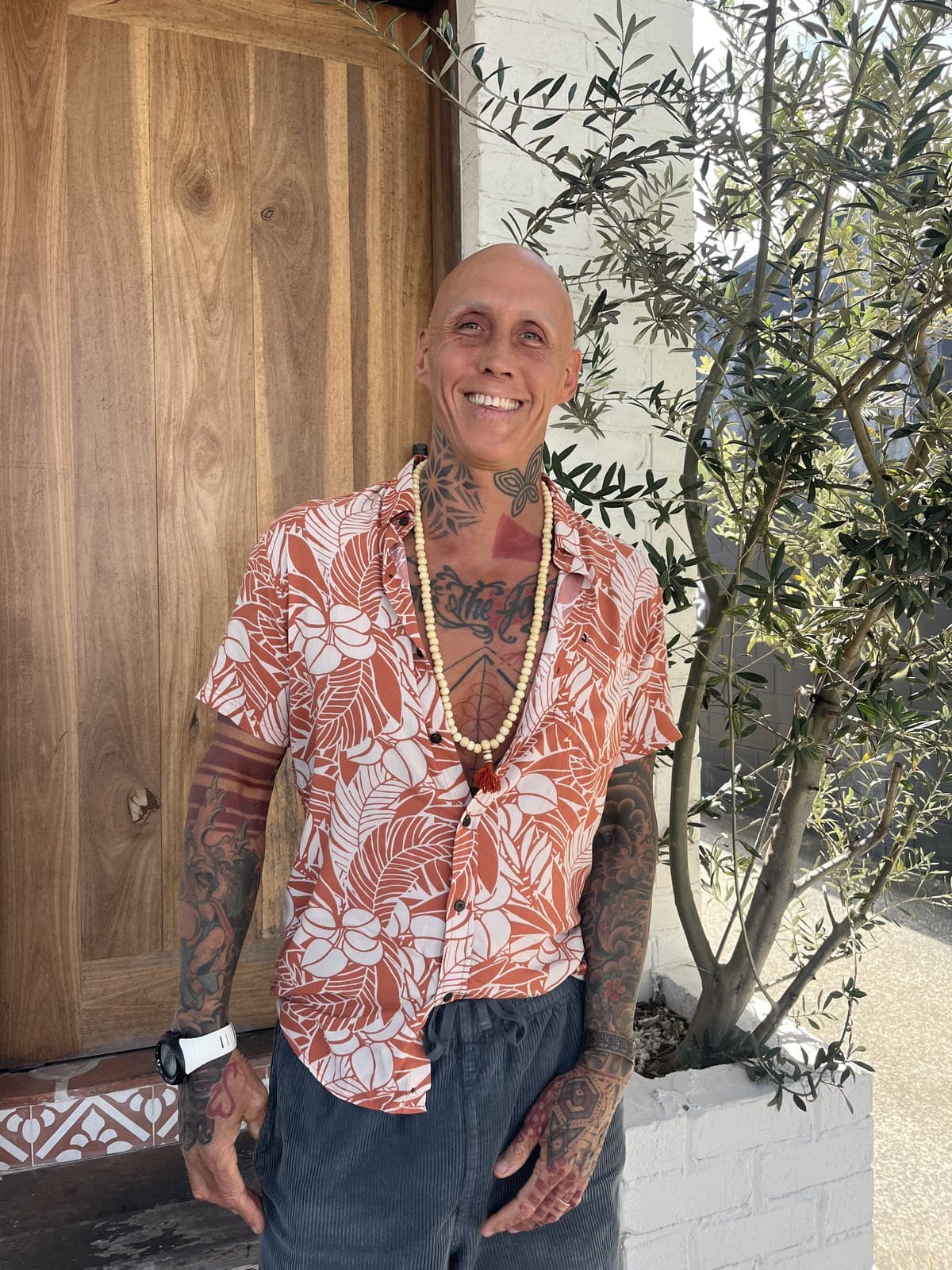
Because of the work I have done, I have been able to walk through some really hard moments without falling back into the old behaviors. In 2015 my father died suddenly of heart failure. In 2018 my older sister died of the same drinking and drug use I had made it through. In 2019 a relationship I thought would carry me into the rest of my life ended abruptly. In 2022, when I was diagnosed with oral cancer a third time, I walked through it the way the work had taught me to walk through everything: without numbing, without running, and without losing myself in the fear of it.
The work I do now was forged in what came after I stopped drinking, not just in the years before that.
What I Bring to My Clients
I do not ask my clients to be rigid and unbreakable. I do not ask them to perform. I ask them to stop looking away, and to let me work on what is actually going on inside their nucleus.